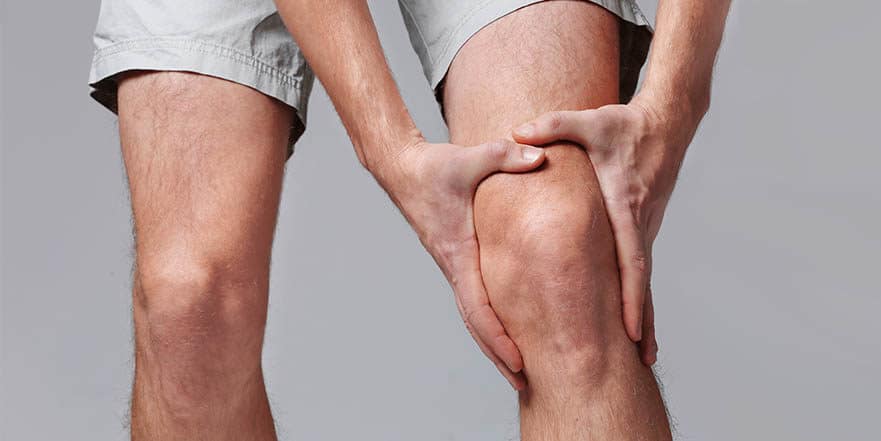
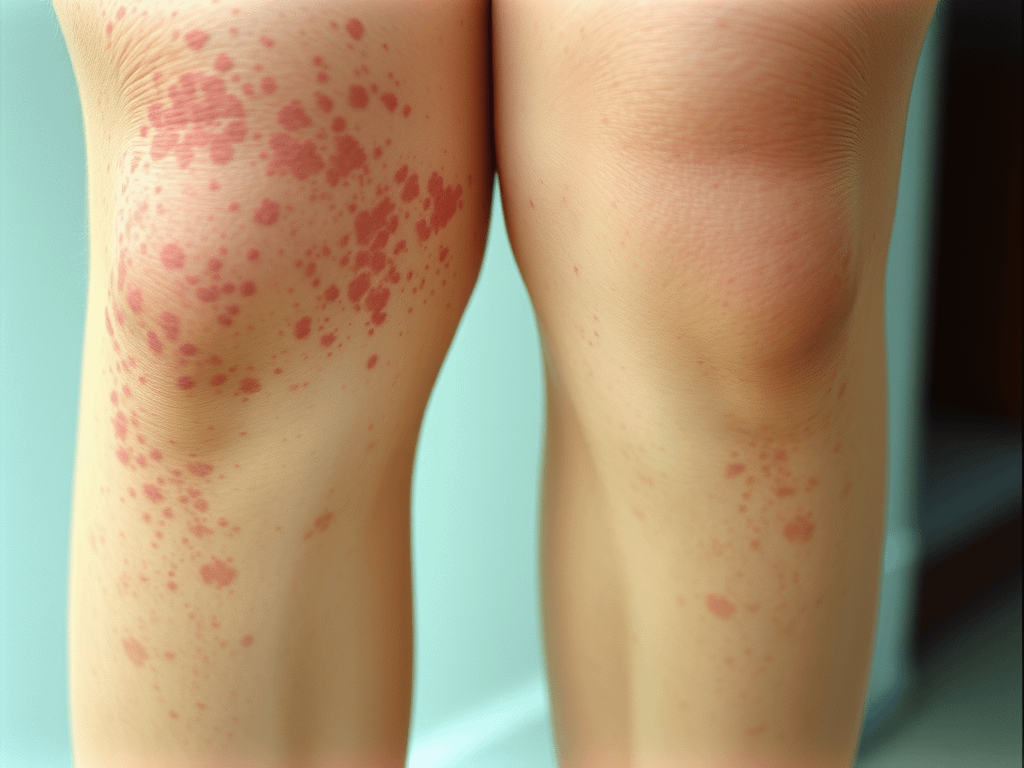
Psoriatic Arthritis is a complex rheumatological chronic autoimmune inflammatory arthritis which is highly variable — affecting joints, skin, spine, and soft tissues — so management is tailored to specific symptoms and disease severity, typically combining:
- Medications
- Lifestyle modifications
- Physical therapy
- Dermatological care
The following excerpt describes in detail the management of Psoriatic arthritis addressing individual complications and organs.
🔵 1. Dactylitis (“Sausage Digits”)
What it is: Painful swelling of entire fingers or toes due to inflammation in joints and tendons.
🛠 Management:
- NSAIDs: For mild cases
- DMARDs (methotrexate, sulfasalazine): For persistent swelling
- Biologics (especially TNF inhibitors, IL-17 inhibitors): Most effective for resolving dactylitis
- Local steroid injections into the affected digit if localized
- Splinting or OT support for functional preservation
🔶 2. Peripheral Arthritis
What it is: Inflammation in joints outside the spine (e.g., knees, ankles, hands)
🛠 Management:
- NSAIDs: First-line for pain and stiffness
- Conventional DMARDs (like methotrexate or leflunomide): For moderate to severe joint symptoms
- Biologic DMARDs: If there is an inadequate response or aggressive disease
- Joint injections: Corticosteroids for flare-ups
- Physical therapy: To improve range of motion and reduce stiffness
🔴 3. Skin Psoriasis
What it is: Chronic, scaly, red patches often on elbows, knees, and trunk.
🛠 Management:
- Topical treatments:
- Corticosteroids
- Vitamin D analogues (calcipotriol)
- Coal tar, salicylic acid
- Phototherapy: Narrow-band UVB for widespread disease
- Systemic therapies (especially biologics like IL-17 and IL-12/23 inhibitors): Highly effective for skin and joint symptoms
- Moisturizers: Daily use to reduce scaling and dryness
Note: Methotrexate helps both joints and skin but may be slower than biologics for skin response.
🟤 4. Scalp Psoriasis
What it is: Psoriasis affecting the scalp, often with itching, flaking, and visible plaques.
🛠 Management:
- Topical therapies:
- Medicated shampoos (coal tar, salicylic acid)
- Topical corticosteroids (lotions, foams, gels)
- Vitamin D analogs (calcipotriol scalp solutions)
- Systemic biologics: For severe or resistant scalp psoriasis
- Gentle care: Avoid harsh scrubbing or scratching to prevent flare-ups
🟢 5. Axial Disease (Spine and Sacroiliac Joints)
What it is: Inflammation of the spine and lower back, similar to ankylosing spondylitis
🛠 Management:
- NSAIDs: First-line for back pain and stiffness
- TNF inhibitors and IL-17 inhibitors: Proven efficacy for axial PsA
- Exercise/Physiotherapy:
- Spinal stretching routines
- Postural exercises (e.g., yoga, Pilates)
- Avoid prolonged rest: Movement is key to reducing stiffness
🧠 Additional Considerations
🔹 Fatigue
- Common in PsA — managed by treating inflammation, sleep hygiene, and addressing depression or anemia if present.
🔹 Depression & Mental Health
- PsA can impact self-esteem and mental health, especially with visible skin symptoms.
- Consider psychological support or therapy.
🔹 Lifestyle Support
- Smoking cessation (smoking worsens skin and joint outcomes)
- Weight loss if overweight (reduces joint load and improves medication effectiveness)
- Anti-inflammatory diet (rich in omega-3s, fruits, vegetables)
📅 Monitoring & Follow-Up
- Regular review by a rheumatologist and dermatologist
- Blood tests (CBC, liver, kidney function)
- Imaging (ultrasound, MRI if joint damage suspected)
- Adjust treatment plan based on disease response